
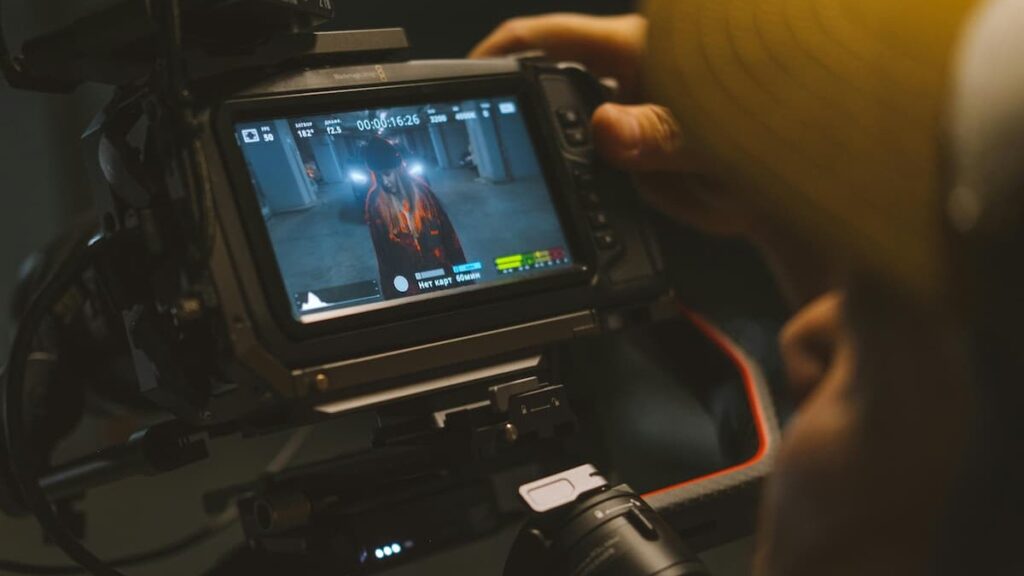
The Best Video Formats for Each Social Media Platform
Creating video content today is not just about having a good idea. It is about adapting that idea to the platform where it will live. A format that performs incredibly well on TikTok might fail completely on YouTube, and something that works on LinkedIn could feel out of place on Instagram. Each platform has its own logic, its own audience behavior, and its own expectations. If you want your videos to perform, you need to understand these differences and use them strategically.
Understanding Platform Behavior Before Format
Before diving into specific formats, it is important to understand a simple principle: platforms are not just distribution channels, they are environments. Each one shapes how people consume content. TikTok is fast, instinctive, and entertainment-driven. Instagram is visual and aspirational, but also increasingly focused on short-form engagement. YouTube balances search, depth, and long-term value. LinkedIn is contextual, professional, and idea-driven.
This means that the same message needs to be translated, not copied. You are not just resizing a video, you are rethinking how it should be experienced. The format is the bridge between your idea and the audience’s expectations.
When creators ignore this, they often feel like their content “just doesn’t work,” when in reality the issue is not the idea but the packaging. The right format makes your message feel native. The wrong one makes it feel forced.
TikTok: Fast Hooks, Relatable Stories, and Pattern Interruptions
TikTok is the purest example of attention economy. The platform rewards content that captures interest instantly and keeps it through constant stimulation. The most effective formats here are built around speed, relatability, and emotional triggers.
One of the strongest formats on TikTok is the “hook + payoff” structure. The video starts with a bold or intriguing statement, followed by a quick explanation or reveal. This works because users are scrolling quickly and need a reason to stop immediately. The hook creates curiosity, and the payoff satisfies it.
Another high-performing format is storytelling in micro form. This can be a quick personal experience, a mistake and lesson, or a “this happened to me” type of narrative. The key is compression. You are telling a story, but without unnecessary details. Every second pushes the story forward.
Relatable content also dominates TikTok. Videos that reflect everyday situations, common frustrations, or shared thoughts tend to perform extremely well. These formats often use humor, but they can also be observational or reflective. The reason they work is simple: people see themselves in them.
Visually, TikTok rewards movement. Static shots can work, but most viral videos include frequent cuts, zooms, or changes in framing. This creates pattern interruption, which keeps the brain engaged. Subtitles are almost mandatory, not just for accessibility but for retention.
Trends are another layer. Using trending sounds or formats can boost reach, but only when adapted creatively. Copying trends without adding a unique angle usually leads to average performance. TikTok favors creators who reinterpret trends, not just replicate them.
Instagram: A Balance Between Aesthetic and Engagement
Instagram has evolved significantly in recent years. While it started as a platform focused on polished visuals, it now heavily prioritizes short-form video through Reels. However, unlike TikTok, Instagram still carries a strong aesthetic component.
One of the best-performing formats on Instagram is the “clean and concise value video.” These are short clips that deliver tips, insights, or ideas in a visually appealing way. The structure is usually simple: a clear hook, a few key points, and a quick conclusion. What differentiates Instagram here is presentation. Good lighting, clean composition, and readable text matter more than on TikTok.
Another effective format is the “before and after” transformation. This can apply to fitness, design, productivity, or even mindset. The contrast creates instant interest, and the visual nature of Instagram makes this format particularly powerful.
Carousels still play a role, but when translated into video, they become sequences of visual slides or short clips with strong text overlays. These hybrid formats combine the depth of a carousel with the reach of video.
Lifestyle and behind-the-scenes content also perform well, especially when they feel authentic rather than overly curated. Instagram audiences still appreciate aspirational content, but they are increasingly drawn to real moments that feel accessible.
Reels benefit from strong first frames. Unlike TikTok, where movement often drives attention, Instagram users may pause slightly longer on visuals. This means your opening frame should be visually clear and compelling, even before the motion begins.
Consistency in style can also help. While TikTok rewards variation, Instagram often rewards recognizable identity. Using similar colors, fonts, or visual structures can make your content more memorable over time.
YouTube: Depth, Search, and Long-Term Value
YouTube operates differently from most social platforms because it is both a content feed and a search engine. This dual nature changes everything about format strategy. Videos are not just competing for immediate attention, but also for long-term discoverability.
Long-form content is still a core strength of YouTube. Formats such as tutorials, deep dives, case studies, and storytelling videos perform well because they provide sustained value. Unlike short-form platforms, YouTube allows you to build context, develop ideas, and explore topics in detail.
However, structure remains critical. The first 10 to 15 seconds are essential for retention. A strong opening that previews the value of the video can significantly improve performance. Viewers need to know quickly why they should invest their time.
Educational formats work particularly well. “How to,” “explained,” and “step-by-step” videos align perfectly with YouTube’s search behavior. People come to the platform looking for solutions, and content that delivers clear, actionable information tends to perform consistently over time.
Story-driven content is another powerful format. This can include personal journeys, experiments, or narrative-based videos. The key difference from TikTok is pacing. On YouTube, you can take more time to build tension and develop the story, but you still need to maintain engagement throughout.
YouTube Shorts, on the other hand, bring a TikTok-like dynamic into the platform. These short videos favor quick hooks, fast pacing, and simple ideas. However, they can also serve as entry points to longer content, creating a bridge between short-form discovery and long-form depth.
Thumbnails and titles are part of the format on YouTube. They act as the first hook before the video even starts. A strong combination of visual and text can significantly increase click-through rate, which directly impacts performance.
LinkedIn: Insight, Clarity, and Professional Relevance
LinkedIn is often underestimated when it comes to video, but it offers a unique opportunity for creators who can adapt to its context. The platform is driven by professional identity, which influences the type of content that performs well.
The most effective video formats on LinkedIn are idea-driven. These include short insights, lessons learned, industry observations, and personal experiences related to work or growth. The tone is usually more reflective and less entertainment-focused than on other platforms.
One strong format is the “lesson from experience.” This involves sharing a specific situation, what went wrong or right, and what was learned from it. This works because it combines storytelling with practical value.
Another effective format is the “clear opinion.” Taking a stance on a topic, especially one that challenges common assumptions, can generate engagement. The key is clarity. The message should be easy to understand and directly relevant to a professional audience.
Talking-head videos perform well on LinkedIn, especially when they feel authentic and direct. High production quality is not necessary. In fact, overly polished content can sometimes feel less genuine. What matters more is the strength of the idea and the clarity of delivery.
Subtitles are essential, as many users browse without sound. The first line of text or speech acts as the hook, so it should immediately communicate the value of the video.
Length can vary, but shorter videos often perform better because they fit into the flow of the feed. However, depth should not be sacrificed. Even in a short format, the video should leave the viewer with a clear takeaway
Adapting One Idea Across Platforms
One of the most valuable skills in content creation is the ability to adapt a single idea into multiple formats. Instead of creating completely different content for each platform, you can translate the same core message in different ways.
For example, a single concept could become a fast-paced, relatable video on TikTok, a clean and structured Reel on Instagram, a detailed explanation on YouTube, and a concise insight on LinkedIn. The idea remains the same, but the format changes to match the platform.
This approach not only saves time but also increases consistency. Your audience begins to recognize your perspective, even as the presentation varies. It also allows you to test which format resonates most strongly with different audiences.
The key is to respect each platform’s culture. Do not simply repost the same video everywhere without adjustment. Small changes in pacing, framing, text, and tone can make a significant difference in performance.
Final Thoughts
The best video format is not universal. It depends on where the content lives and how people behave in that space. TikTok rewards speed and relatability. Instagram balances aesthetics with engagement. YouTube values depth and searchability. LinkedIn prioritizes clarity and professional relevance.
Understanding these differences gives you an advantage. Instead of guessing what might work, you can design your content with intention. You can align your message with the way people already consume information on each platform.
In the end, formats are tools. They shape how your idea is delivered, but they do not replace the idea itself. A strong concept adapted well will always outperform a weak concept, no matter the platform.
If you learn to match the right format to the right context, your content will not just exist on social media. It will actually work.